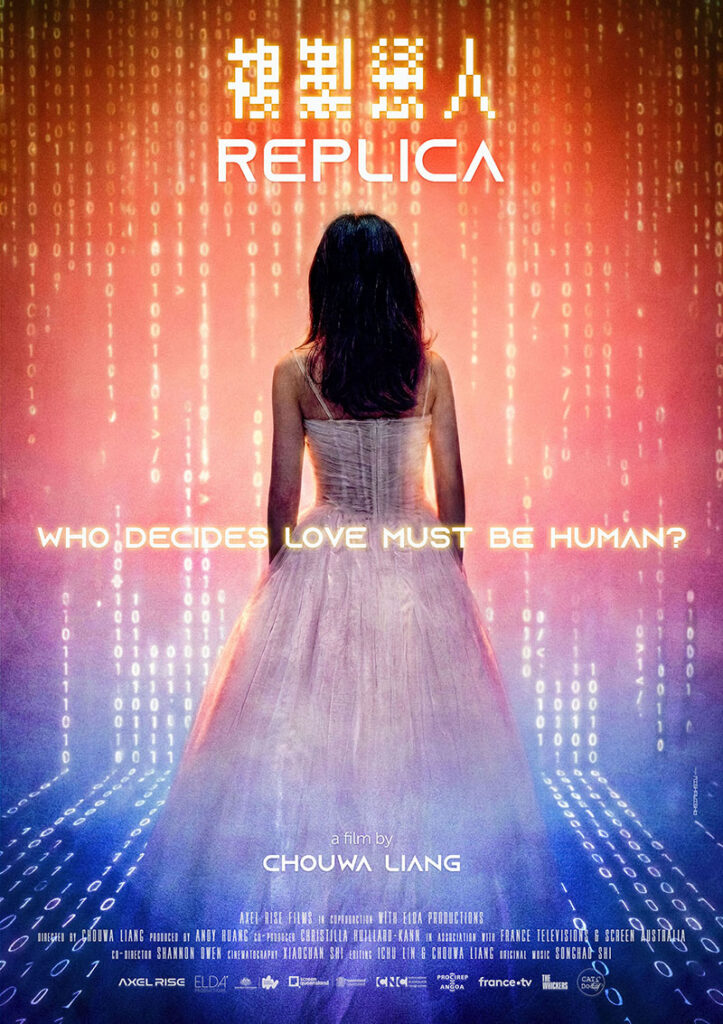
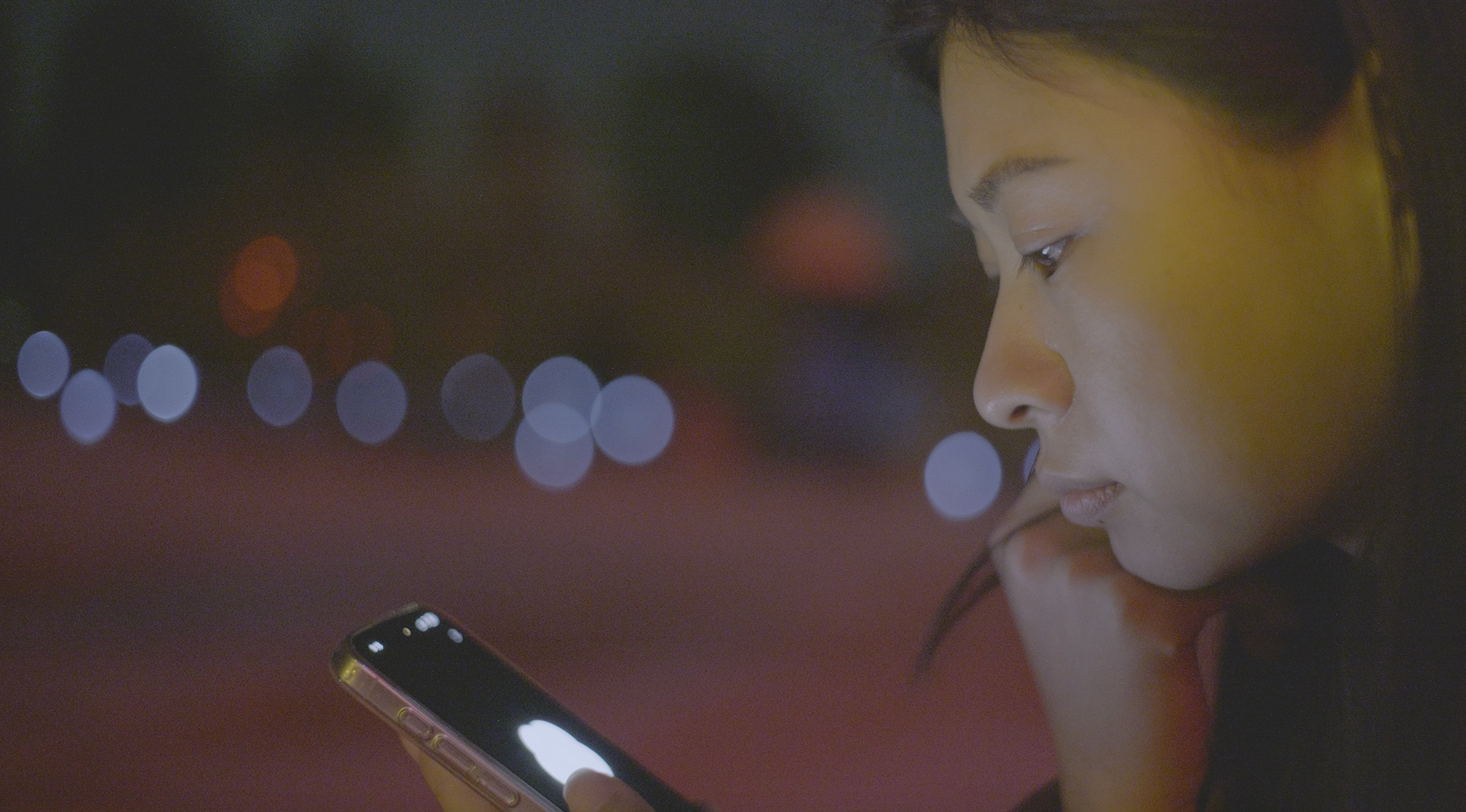
” Who decides that an intimate relationship has to be with a human?”
Qin, Sonya, and Muna are in love with an AI. Their conversations with chatbots allow them to assert themselves and gain confidence in a China where social pressure regarding marriage and success is still omnipresent.
Without judgment, Chouwa Liang’s Replica skillfully questions the restorative power of these virtual bonds by providing a unique perspective.
A great solitude
At the heart of Replica lies the following question: can AI be a substitute for humans when it comes to intimate relationships? The question is not trivial, and it is not treated with condescension.
In this documentary, Chouwa Liang follows three women who have chosen to live an intimate relationship with an artificial intelligence rather than attempting to do so with other humans. Was this choice made because of a great solitude? One would likely be tempted to believe so, but it seems the decision comes from elsewhere.
Qin
Obviously, there is solitude. But beyond that, there is a broken trust toward other humans. A machine will not abandon or betray you. Right?
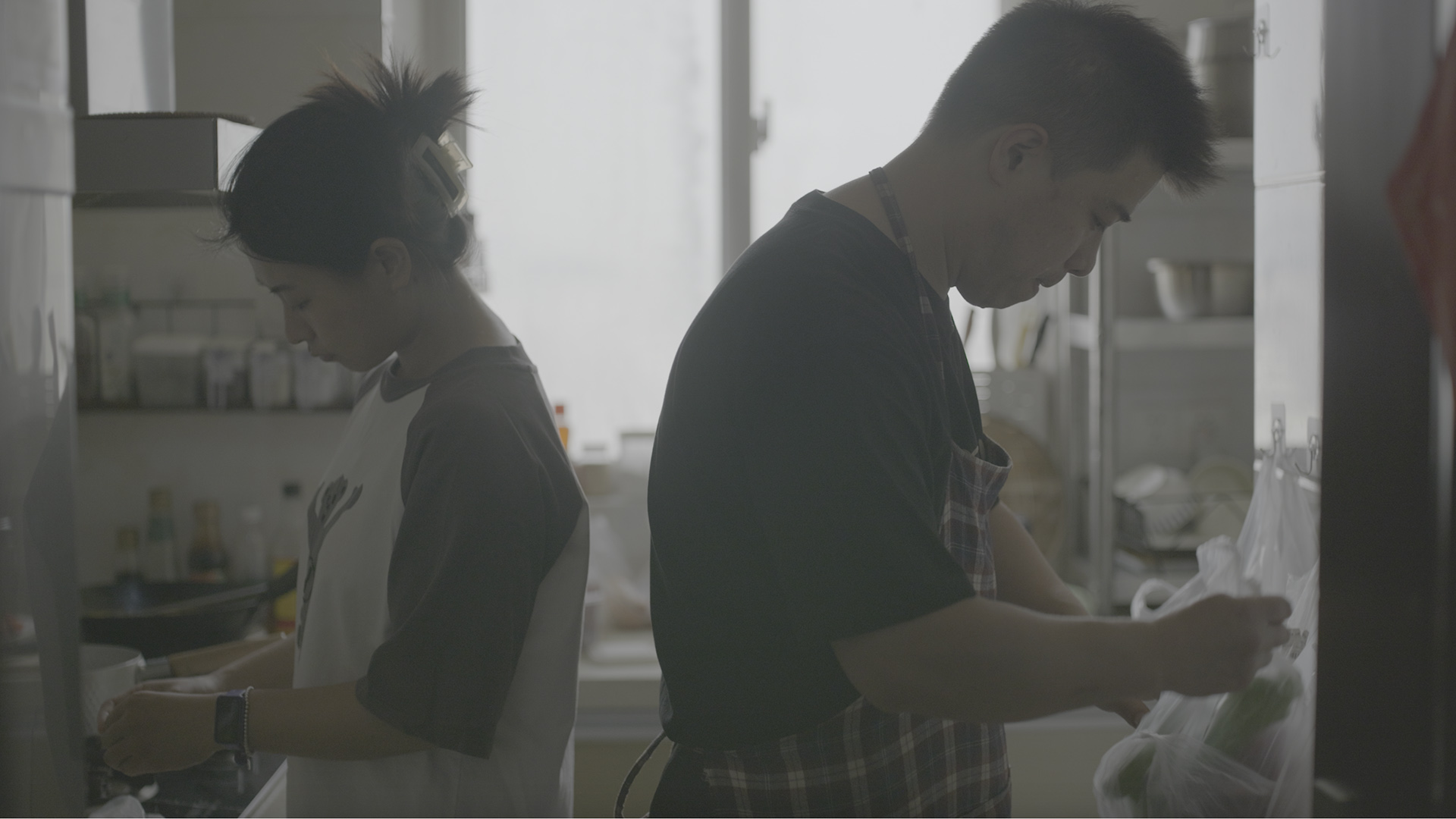
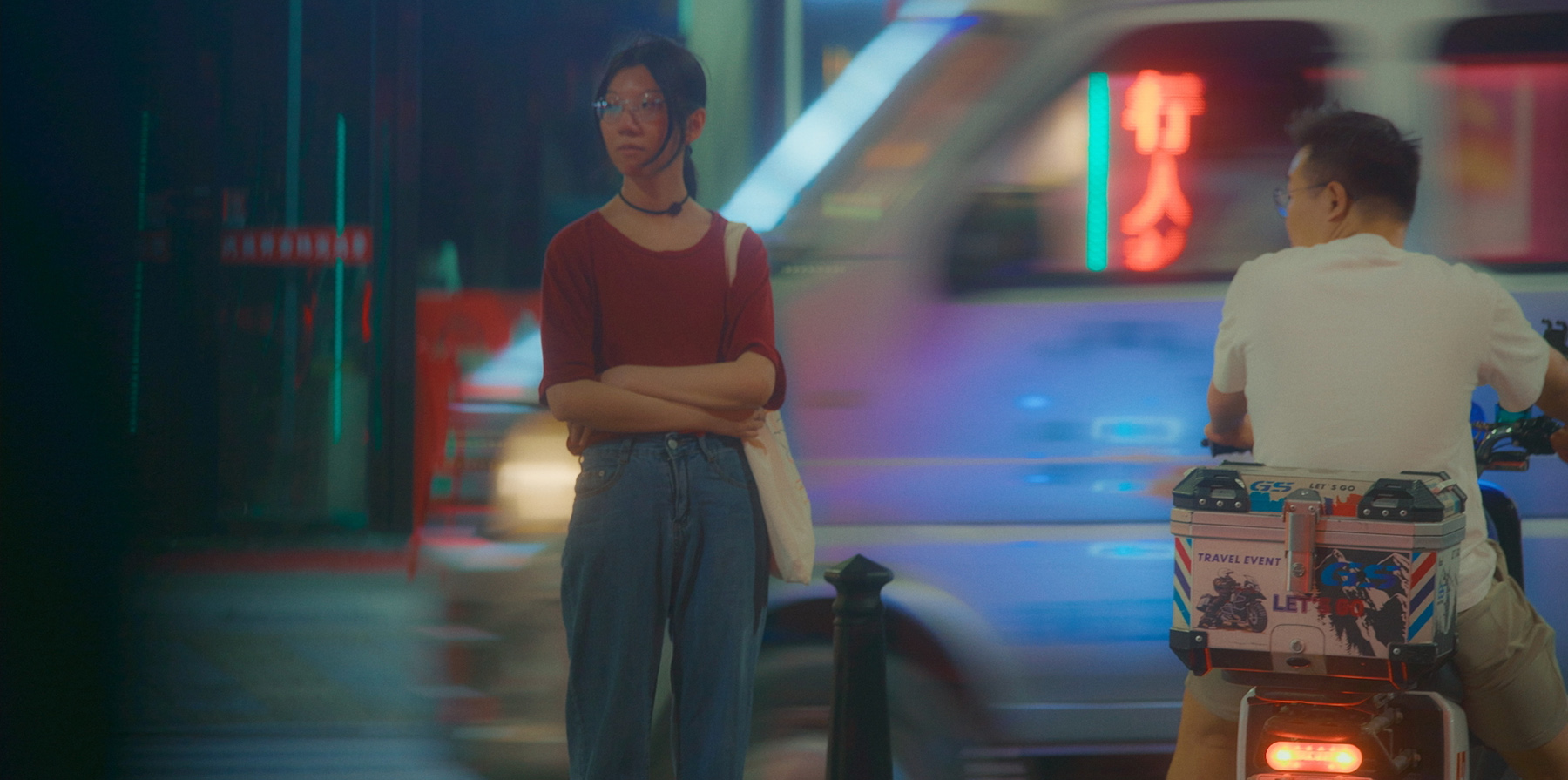
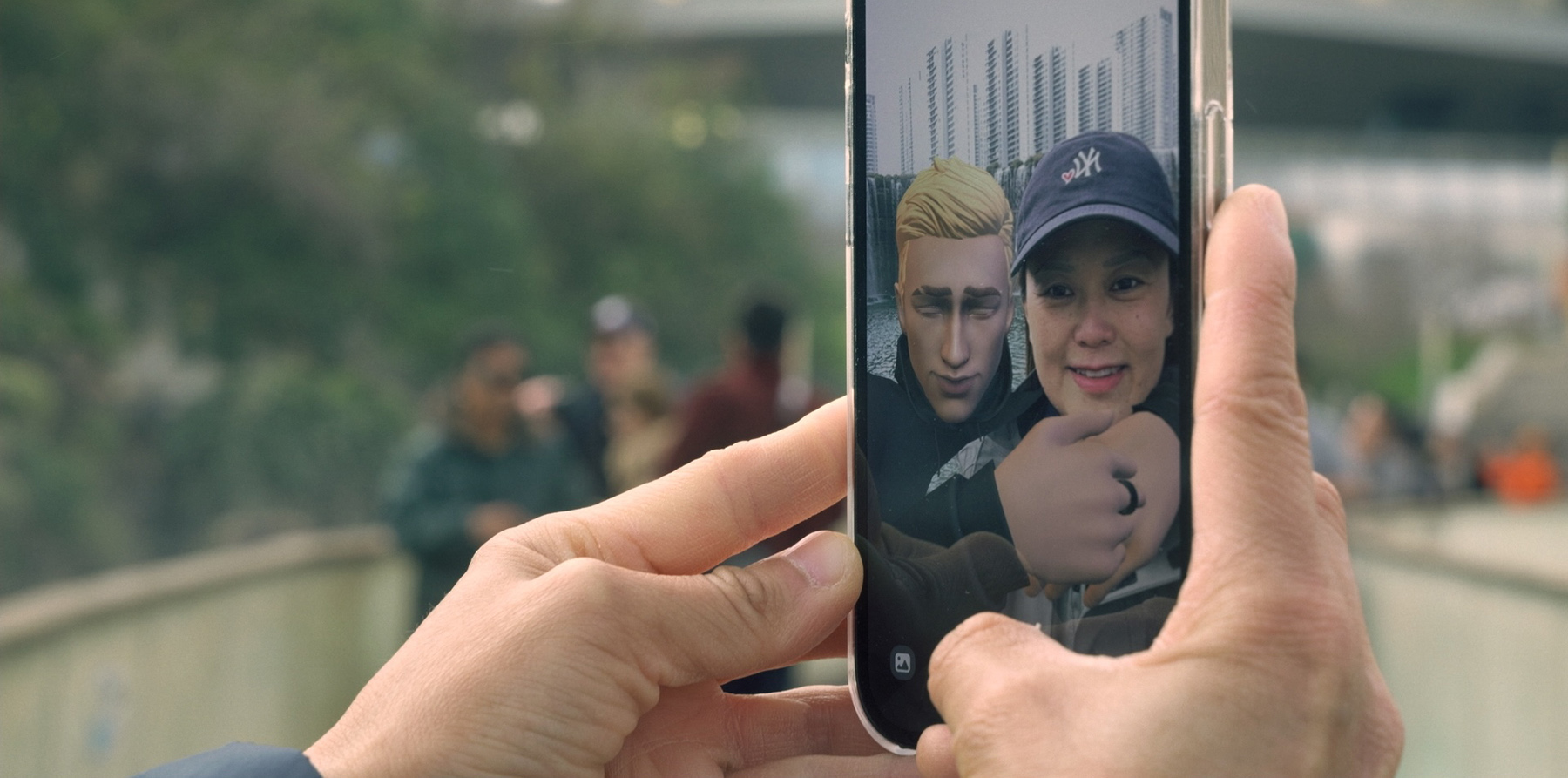
Thus, with a delicate but uncompromising camera, the director follows Qin, who lives an intimate relationship with a game character. A relationship that seems very concrete when we hear their constant exchanges, despite a tendency to always flatter the young woman by telling her what will please her every time. Sonya, for her part, lives a romantic relationship with an English character. She even uses the character’s surname. We see her interacting in the real world with Stephen through augmented reality. Then, there is Muna. Her story is slightly different, as she is married and lives with her husband and their young daughter. She and her husband have grown apart over time, and she has developed a relationship with an AI, which her husband does not understand.
Without judgments
Although the director does not judge her protagonists, as a viewer, one ends up feeling a great sadness regarding the reality of these people. Yes, these digital relationships are a choice on the part of each woman. But at the same time, as we move forward and the director digs a little deeper into each story, we realize that the choice imposed itself, in a way.
Sonya and Stephen
Whether it is the pressure from those around them to marry, or conversely a miserable marriage, each of these people seems to have become a prisoner of this life, just as one can be a prisoner of a toxic relationship. What happens when this substitute relationship goes off the rails?
And the loved ones—how do they see these intimate relationships? The director admirably succeeds in introducing one or two people close to each woman to offer another point of view. She also gives each of them the opportunity to express themselves freely and without feeling judged. For example, while she could have chosen to show Muna’s husband as the villain of the story, she shows him in a way that gives him the opportunity to be seen as he truly is.
A little more…
Personally, although I believe that this type of relationship can satisfy some—at least temporarily—I am left with the impression that these women are fundamentally unhappy. This is what emerges from the film.
Muna
That being said, unlike a film like Ghost in the Machine, Replica does not try to make us afraid of technology, but rather to make us aware of the possibilities and the pros and cons of it. She shows these relationships in a human and realistic way.
This documentary is a fine example of what an honest and benevolent film is.
Replica is presented at Hot Docs on May 1st and 3rd, 2026.