“I mean, I’m trying to do something good here. Save lives.”
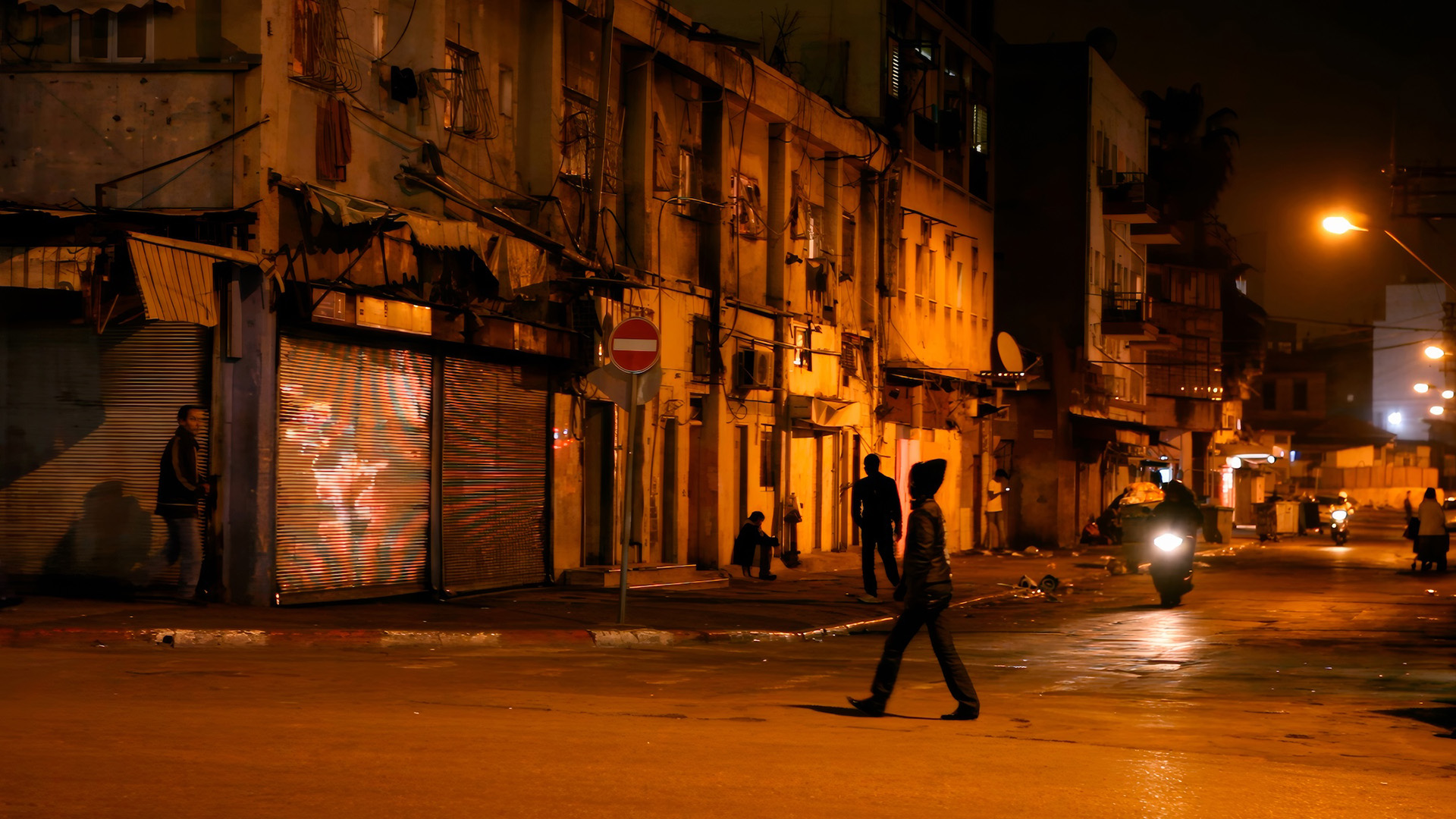
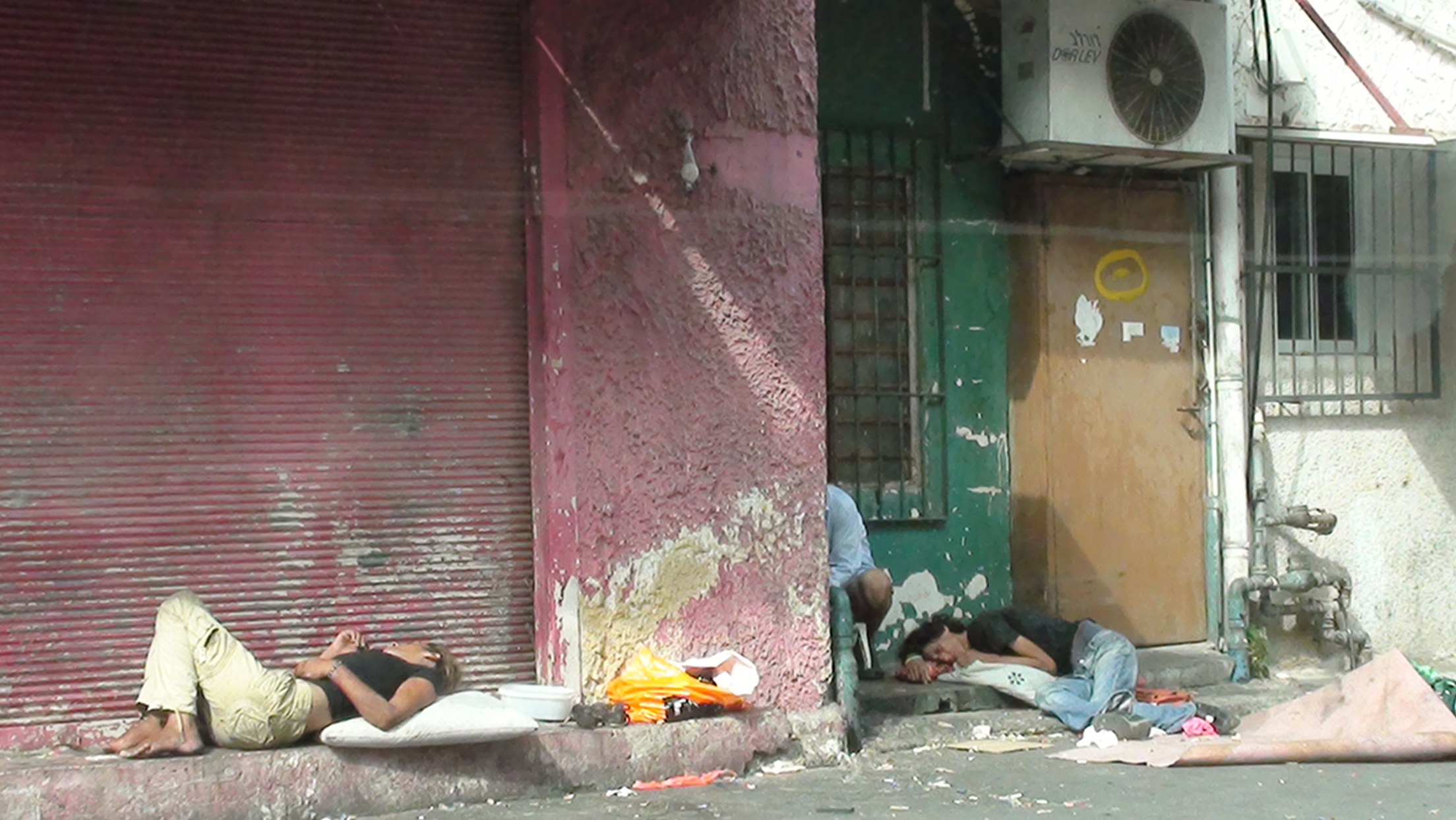
Holy Ghetto is a performative documentary set in Tel Aviv, Israel. While a documentary set in Israel often revolves around the geopolitical lens and the rifts of the Israeli-Palestinian conflict, iLan Azoulai’s feature directorial debut chooses to turn its camera toward a different subject. Venturing into the Neve Sha’anan neighborhood, near the old central bus station, the director uncovers an area that has become a hub for prostitution, human trafficking, and the devastation caused by hard drugs.
With Holy Ghetto, the filmmaker categorically rejects the stance of sensationalist or voyeuristic reporting. Instead, he delivers an intimate work in search of dignity, painting a deeply human portrait of his subjects.
A Shared Story
This perspective is far from detached. iLan Azoulai shares a visceral bond with this place: as a child, he grew up in these alleys under the watchful eye of his father, who served there as a senior crime scene identification officer, before the neighborhood fell into decline following his departure.
The Neve Sha’anan neighborhood
Returning years later to retrace his youth, the director initially intended to document the slow decay of an urban area. Very quickly, however, the desire to give a voice, a face, and a listening ear to those whom society meticulously strives to ignore takes over. By handling the directing, camera, editing, and a major part of the sound design himself, Azoulai infuses the film with an intimate closeness to his subjects.
Sand Animation: Poetic Modesty
One of the documentary’s greatest strengths lies in how it approaches the unspeakable. Faced with memories of abduction, physical violence, and childhood trauma, iLan Azoulai refuses raw illustration or artificial reenactments. Instead, he chooses to incorporate sand animation sequences created on a light table.
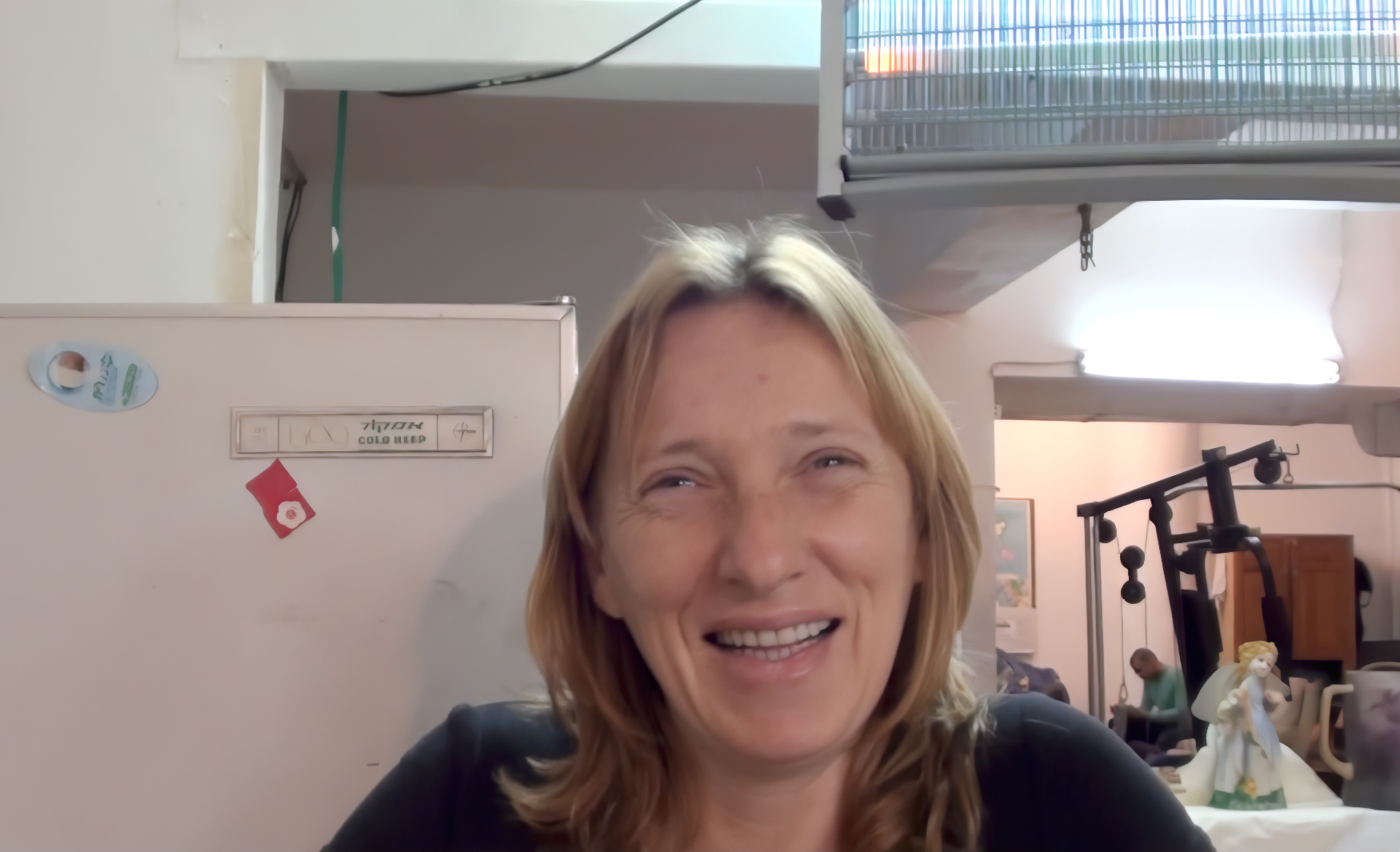
Yana, a resident at The Doors of Hope shelter
Beneath this amber light, black grains sketch silhouettes, weapons, and faces before dissolving with a sweep of the hand. This visual choice gives the narrative a deeply delicate metaphorical texture: it stages memory as something shifting, fragile, and ready to be reshaped. This poetic counterpoint protects the modesty of those speaking while allowing the weight of their ordeals to resonate with heightened emotional force.
Toward the Light
As individual paths grow clearer, Holy Ghetto makes a remarkable shift: distress gives way to a stubborn hope. The film eventually asks the fundamental question underlying Azoulai’s entire approach: “Can we rise above what we were reduced to being?”
While the sidewalks of Neve Sha’anan form a very real prison, the film rightly reminds us that the hardest, most persistent ghetto is often the one we inflict upon ourselves, forged by shame, guilt, and the judgment of others. By capturing the resilience that drives his subjects to break through these invisible bars, Holy Ghetto does more than shed light on a dark reality; it offers a luminous ode to reclaiming one’s own existence.