The 79th edition of the Cannes Film Festival has come to a close, and the closing ceremony marked the end of this year’s event by honoring its various winners. A look back at Le Petit Septième’s very first edition on-site in Cannes!
This year’s festival was marked by the controversy surrounding Canal+, which consistently made headlines throughout the 11 days of competition, but also by outstanding films from inspired directors.
Controversy
Initially brushed off by Bolloré, the situation quickly transformed into a growing controversy, hitting the front page of the magazine Libération with a petition denouncing certain practices and positions tied to the influence of the Canal+ group. The issue reached a new level when public statements from Maxime Saada (President of Canal+) defended the group’s stance, declaring that they would no longer work with the signatories of the petition.
In the final days, a legal decision was brought against Canal+: the Ligue des droits de l’Homme and the CGT Spectacle took the group to court for discrimination against the signatories of the anti-Bolloré petition. To be continued…
Crucial choices
The jury for this 79th edition, chaired by South Korean director Park Chan-wook, brought together several major figures from international cinema. Their task was far from simple, given how rich and competitive the selection proved to be. Faced with the high quality and diversity of the works in competition, the jurors had to make some very delicate decisions.
This difficulty was reflected in the awards list, which was more generous than usual, with no fewer than six prizes awarded instead of three in some of the major categories. The jury sought to honor both acting performances—by handing out awards for best male and female roles—and directorial work, by rewarding filmmaking technique.
This choice is entirely understandable regarding the acting prizes, as the honored actors shared the screen in the same film. The decision underscores the power of these duos’ performances and how they complement one another, rather than privileging a single individual performance.
Nevertheless, the decision to award two prizes for Best Director feels a bit more debatable in my opinion: even if the winning films possess genuine qualities, this split choice slightly dilutes the prestige usually associated with this distinction. It remains, however, an understandable decision given the exceptionally high caliber of the films in competition.
The Awards
Best Screenplay
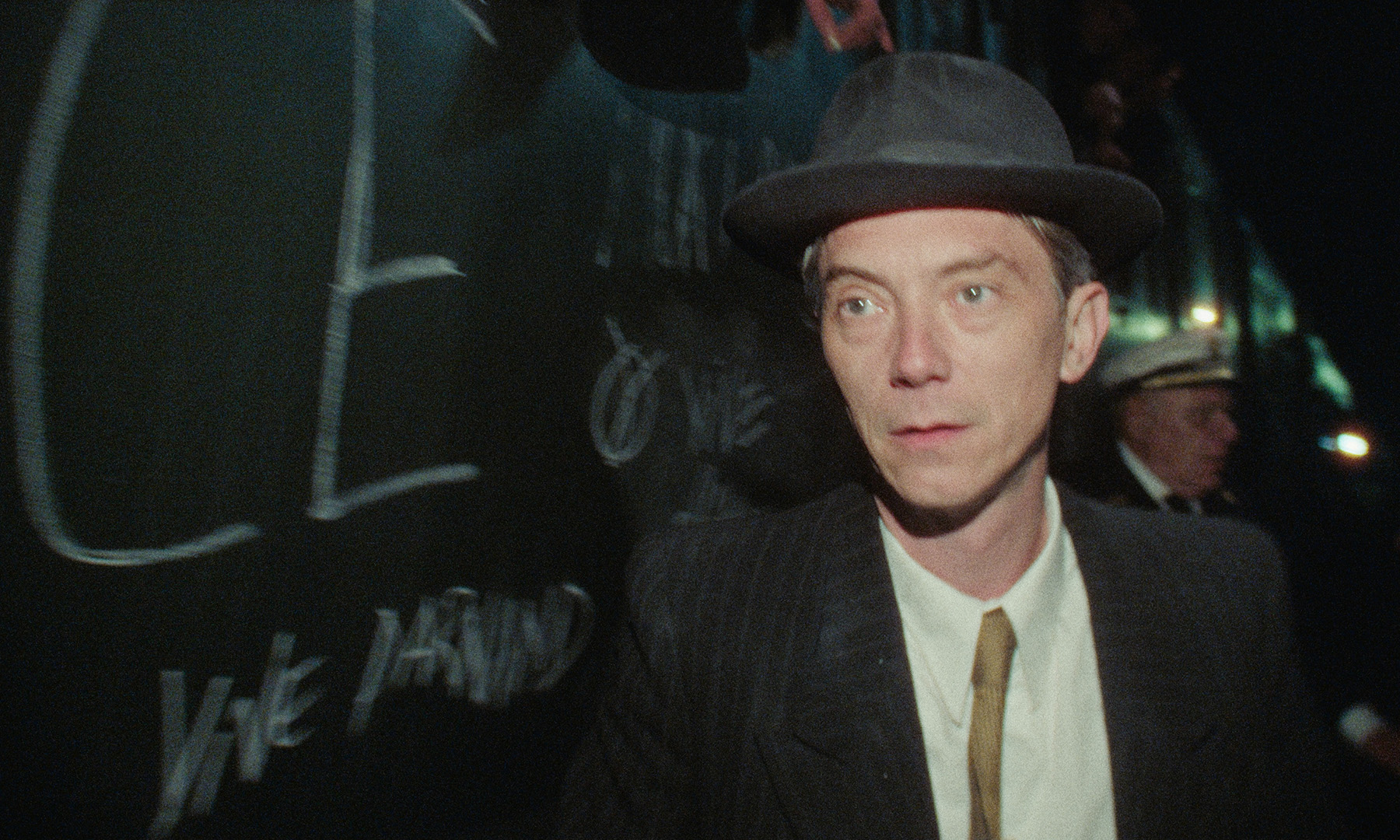
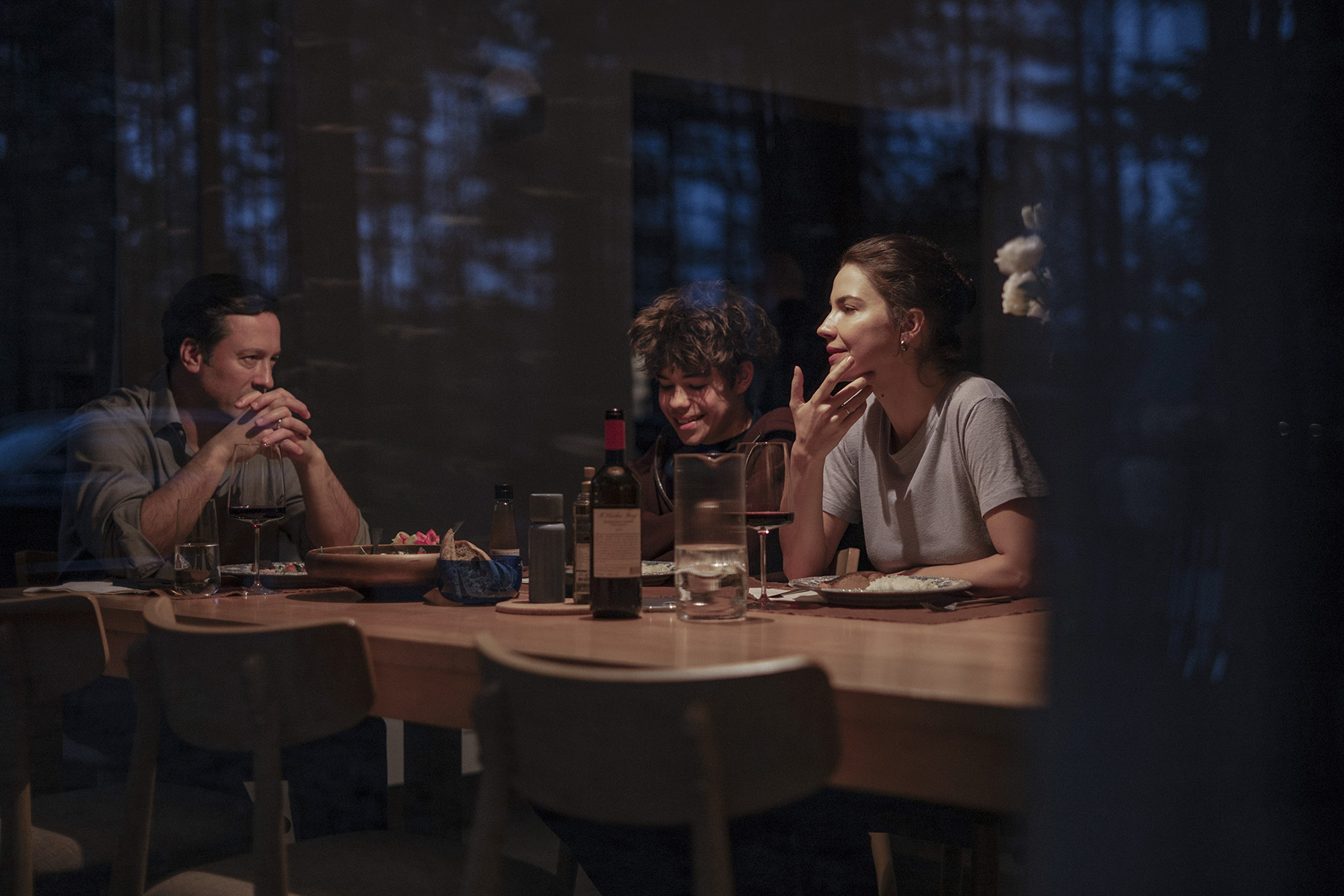
The Best Screenplay award went to Emmanuel Marre’s Notre salut.
Swan Arlaud as Henri Marre in Notre salut
Personally, this choice leaves me unsatisfied, as the film—with its singular style crossing multiple genres—undoubtedly deserved an even higher spot in the rankings. Its bold writing and ability to blend different tones make it a truly distinct work in this selection.
Best Performance
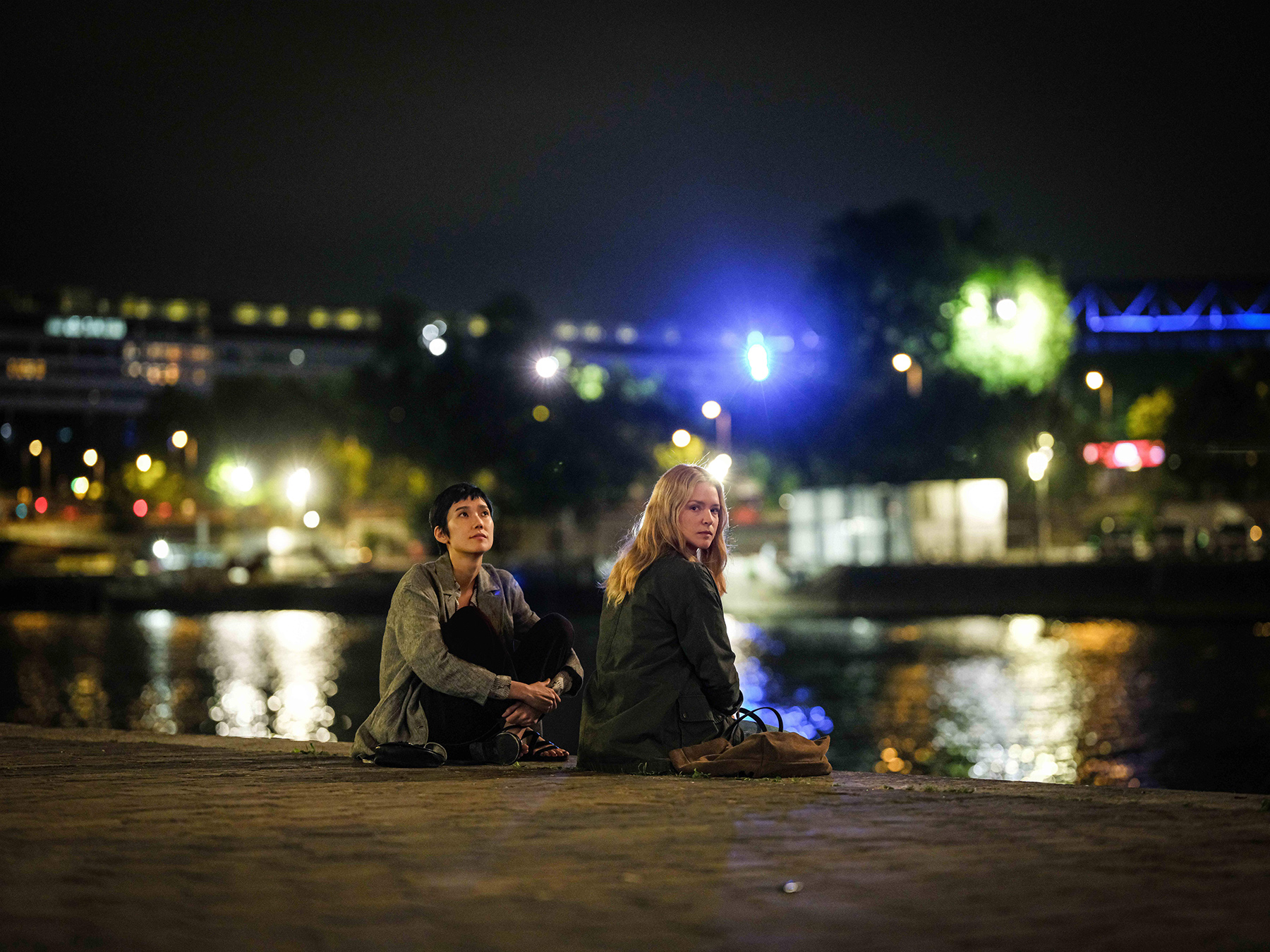
When it came to the acting awards, the jury chose to reward duos sharing the screen. For Best Actor, Emmanuel Macchia and Valentin Campagne were recognized for Lukas Dhont’s Coward, while Virginie Efira and Tao Okamoto took home Best Actress for Ryusuke Hamaguchi’s Soudain. This decision highlights the strength of ensemble acting; here, the performances do not merely respond to one another—they complement each other and give the film its full emotional depth.
Tao Okamoto and Virginie Efira in Soudain
In Soudain, Virginie Efira is particularly impressive with the precision of her acting, even learning Japanese for the role, while Tao Okamoto, a French-speaking Japanese actress, delivers her lines with equal mastery.
Best Director
Regarding film direction, two movies were honored:
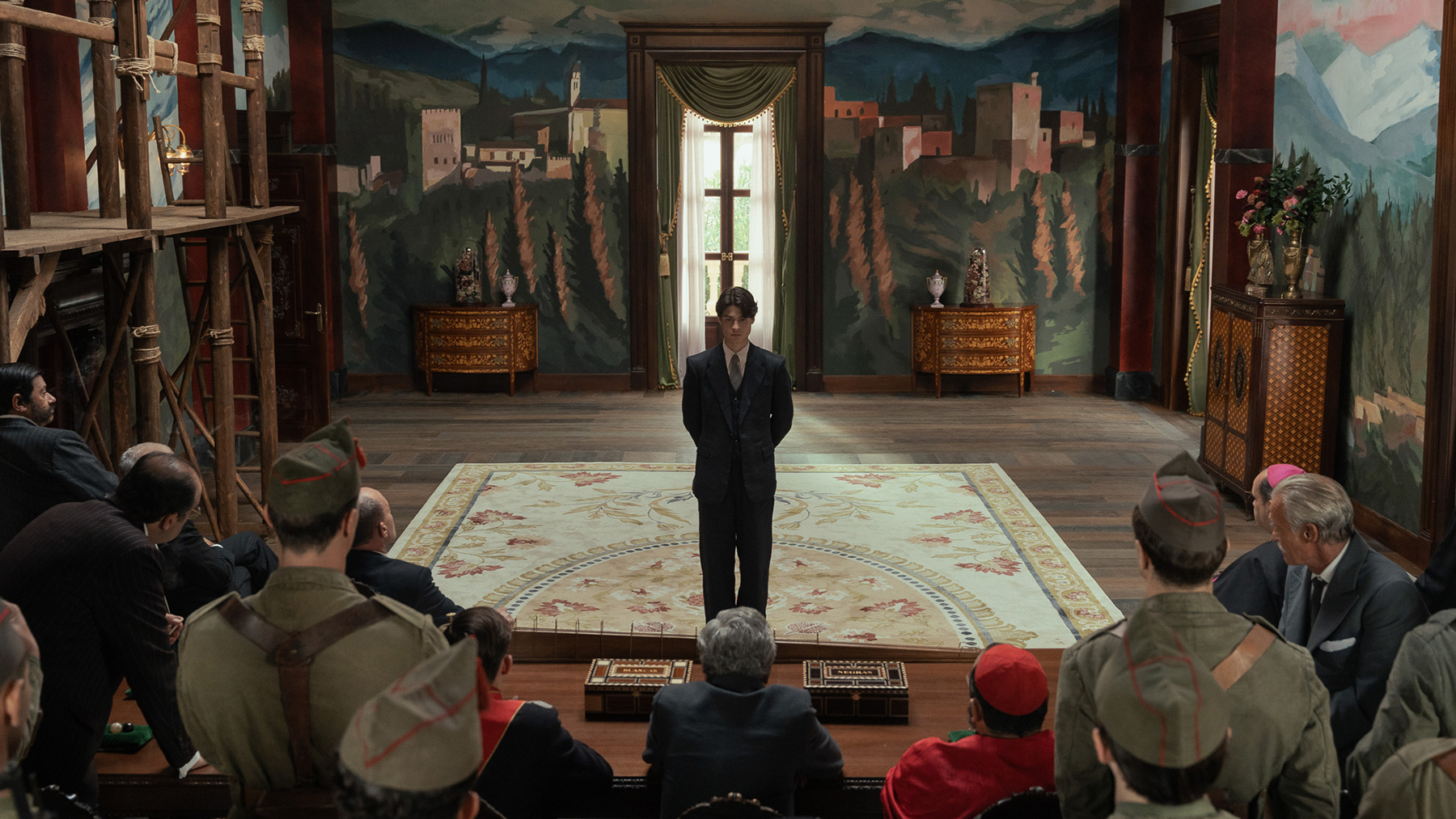
Still from the film La bola negra
Fatherland by Paweł Pawlikowski and La bola negra by Javier Calvo and Javier Ambrossi. The former captivates through its formal rigor and sense of framing, faithful to the filmmaker’s minimalist style, while the latter stands out with a more flamboyant and inventive direction.
Grand Prix
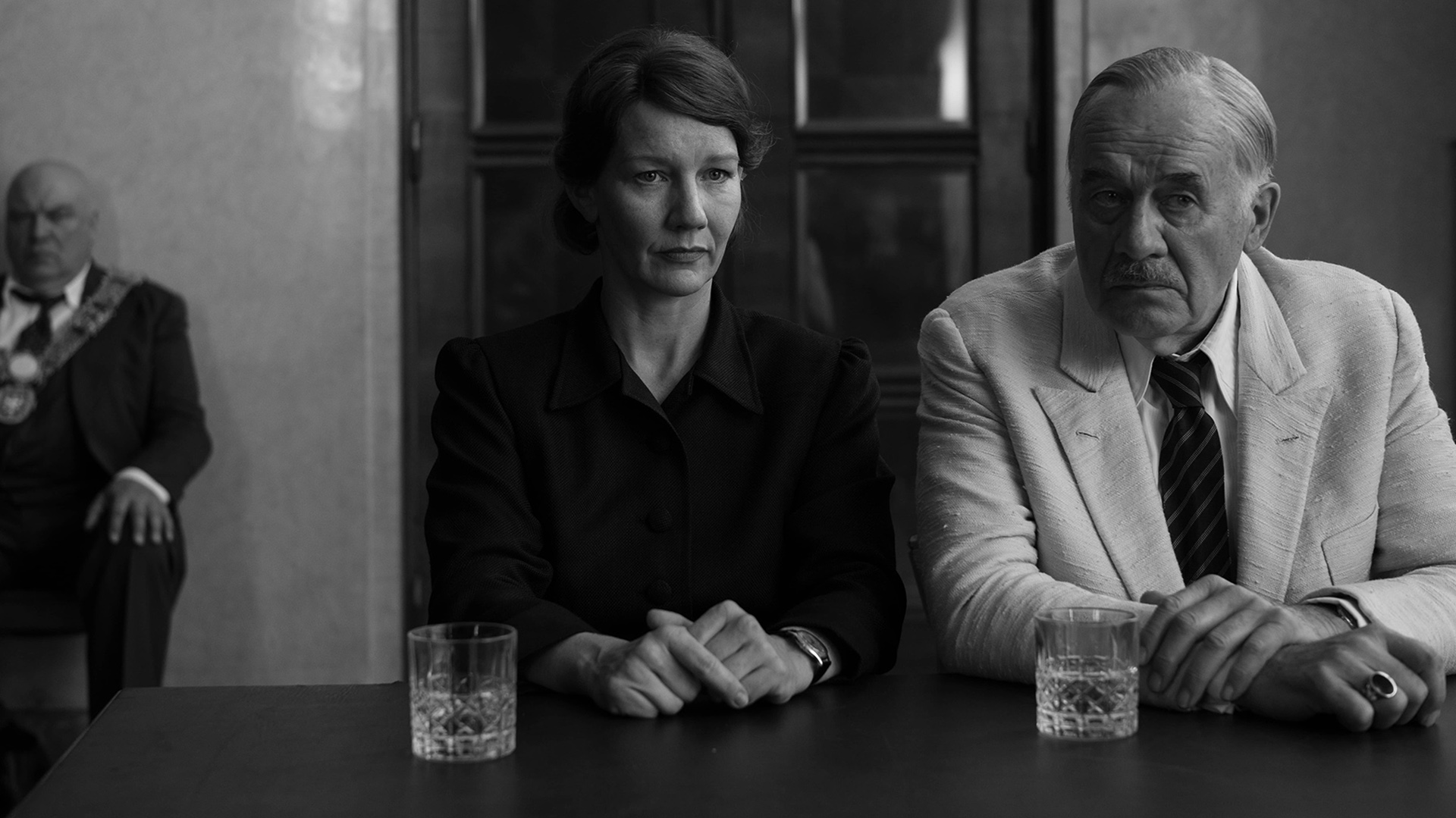
The Grand Prix was awarded to Andrey Zvyagintsev’s Minotaure.
Andrey Zvyagintsev’s Minotaure
True to his demanding style of filmmaking, the director delivers a dark and powerful work, exploring human flaws through masterful directing and a heavy atmosphere.
Jury Prize
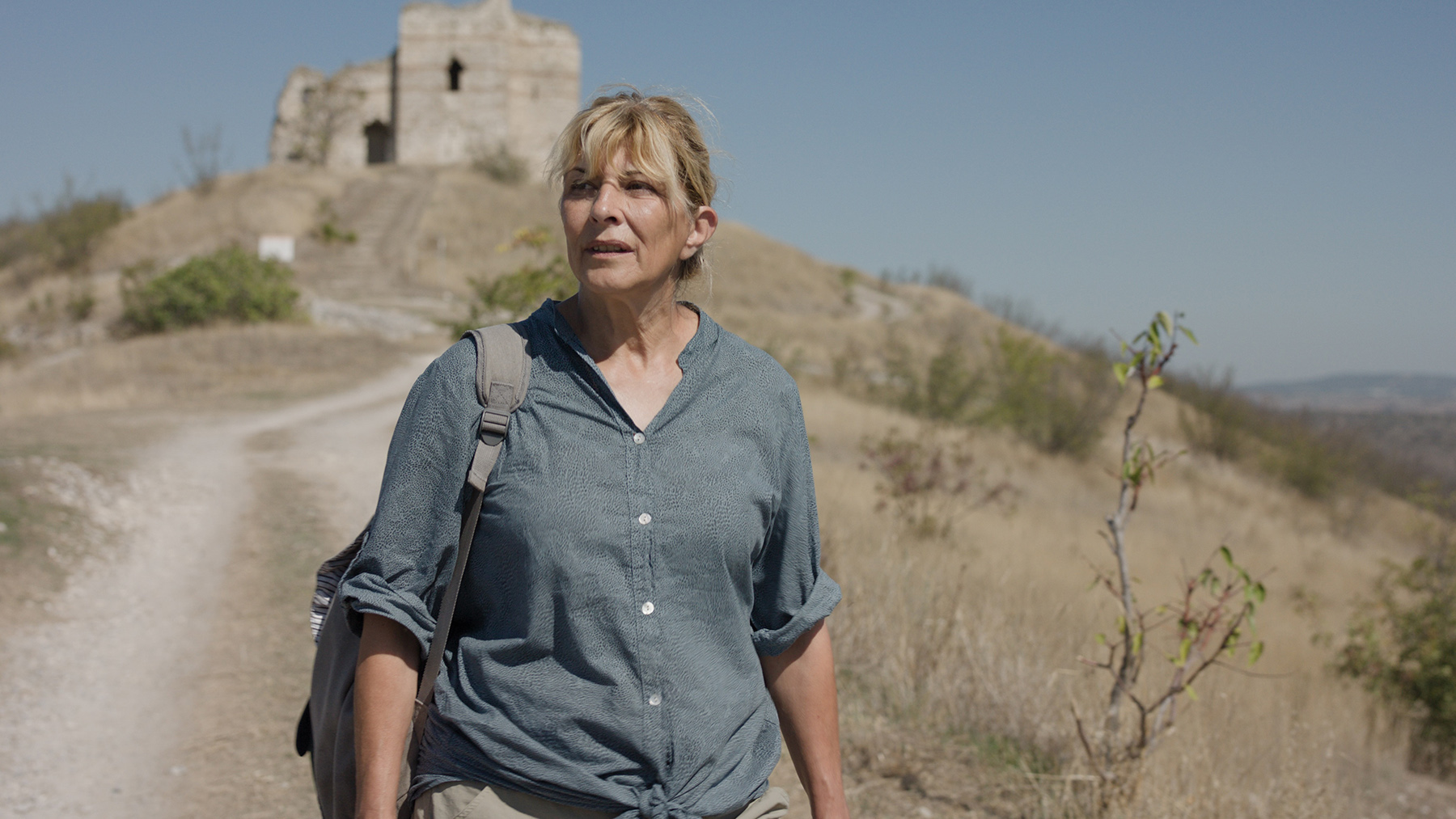
The Jury Prize went to Valeska Grisebach’s L’aventure rêvée.
Valeska Grisebach’s L’aventure rêvée
This German film created a surprise, as no one had really bet on it, but it wins audiences over with its sensitivity and delicate approach to human relationships.
Palme d’Or
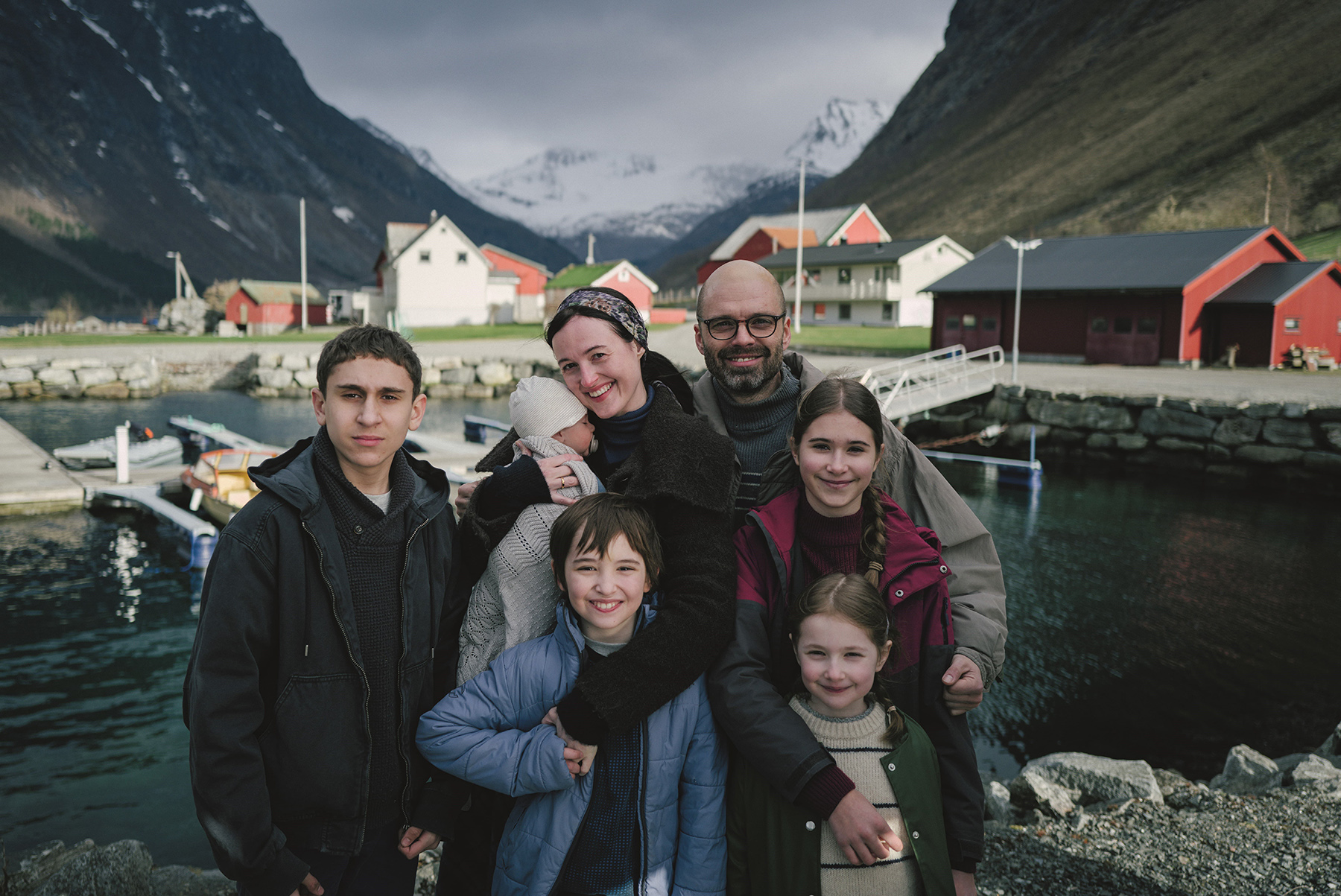
Finally, the Palme d’Or was awarded to Cristian Mungiu for Fjord (review to come), nineteen years after 4 Months, 3 Weeks and 2 Days. With this new film, the filmmaker confirms the consistency of his body of work, offering a narrative deeply rooted in contemporary themes.
Renate Reinsve and Sebastian Stan as a Catholic family in the film Fjord
During his speech, he reminded the audience that cinema “must speak about relevant things”, describing his film as “a message for tolerance, inclusion, and empathy.” Led by Renate Reinsve and Sebastian Stan, Fjord establishes itself as a powerful and committed work, in perfect resonance with our times.
Traduction par François Grondin avec l’aide de Gemini.