« Di chi sono i nostri giorni? » “Who owns our days?”
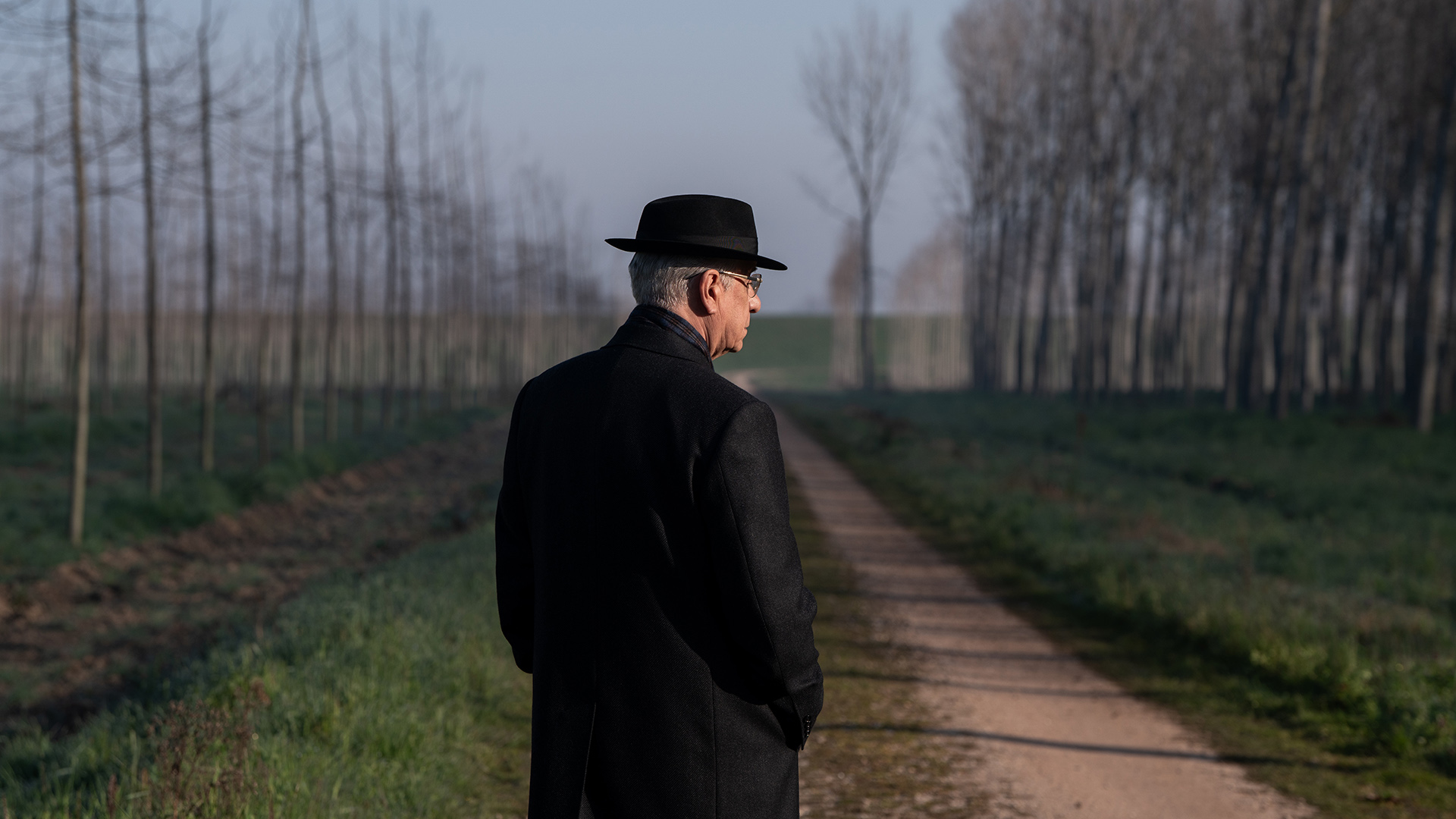
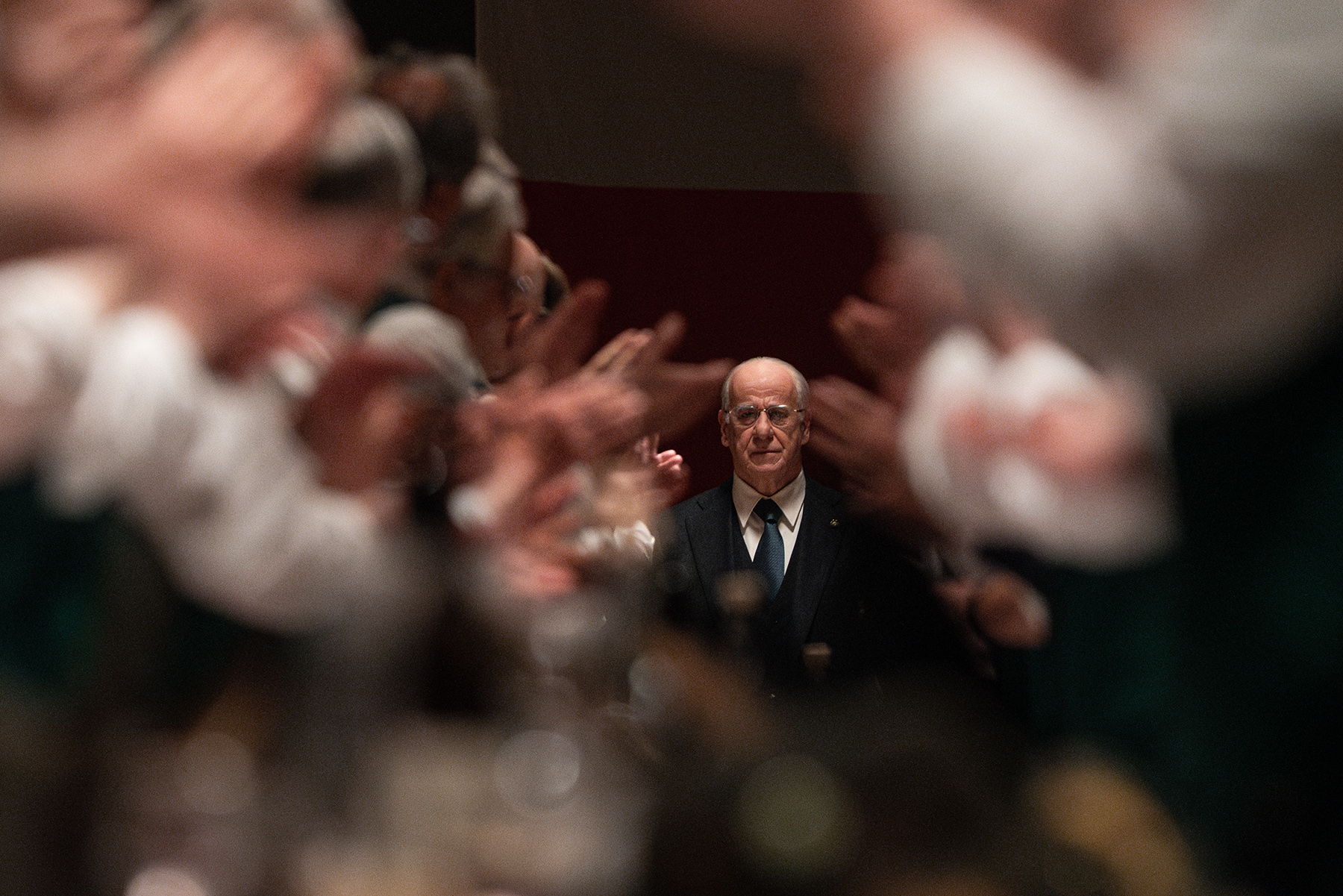
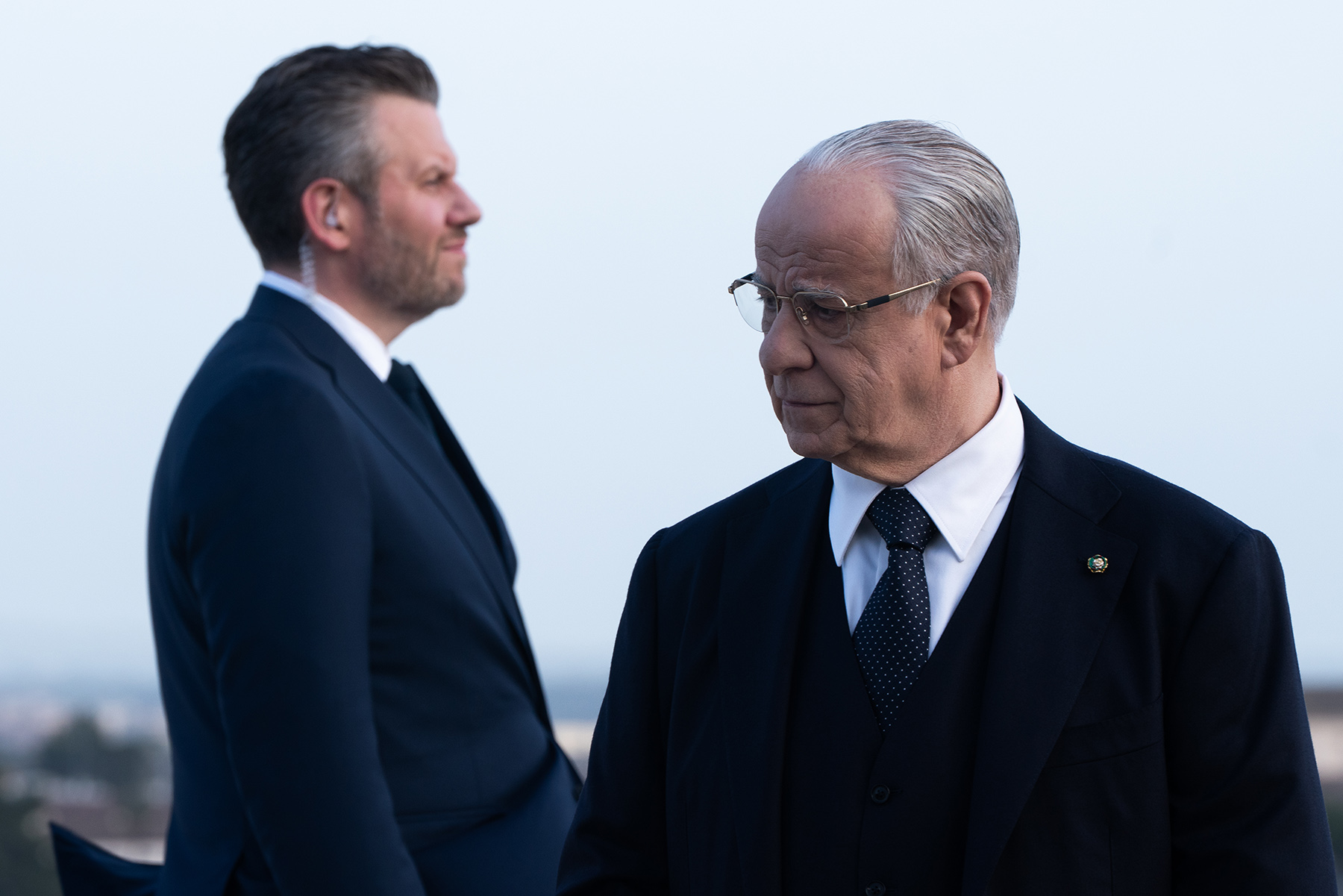
Love. Doubt. Responsibility. Fatherhood. Ethics. These are the forces that shape Mariano De Santis (Toni Servillo), the outgoing President of Italy. As his tenure nears its end, De Santis faces wrenching decisions – both political and deeply personal. Amid these moral quandaries, he must confront his own conscience and seek guidance from those closest to him, including his daughter, Dorotea (Anna Ferzetti). Together, they confront the timeless question: who owns our days?
An intimate reflection on identity and memory, Paolo Sorrentino’s La grazia explores the indelible mark each person leaves behind, through their family and their actions. A political film that delves deep into the human soul.
Defining One’s Legacy
What we leave behind… This is a question that seems to haunt Sorrentino. Whether one thinks of La grazia, Youth, or The Great Beauty, the theme of advancing age linked to the questioning of one’s legacy remains present in the Italian director’s work.
Here, perhaps even more clearly than in the past, the director focuses on politics. But not so much from a societal perspective as on what will remain associated with a president. But, of course, if that were the only focus, it wouldn’t be a Sorrentino film. At the heart of this question of legacy is the issue of legalizing euthanasia (also known here as “medical aid in dying”) in Italy.
But the man is tormented by the idea of what Italy will remember him for. If he signs the law, he becomes a murderer, but if he doesn’t sign it, he is a torturer. To further illustrate the dualism that haunts him, the director adds the notion of forgiveness. The president has, on his desk, two requests for pardon from two people who killed their life partner. Can forgiveness and the right to die be linked?
Two Rhythms
Filmed with Sorrentino’s characteristic poetic gaze and enhanced by an enchanting and immersive soundtrack, this film offers a cinematic experience that is as visually sumptuous as it is moving. Once again, duality is illustrated on another level.
The film has a slow pace, as we are trapped in the inaction of Mariano De Santis. He cannot decide whether or not to sign the three documents that are eating him up inside. At the same time, the soundtrack is fast, striking due to its techno nature. The man doesn’t move, but the music does.
But this music is not omnipresent. In fact, it returns regularly, but with significant spacing. Thus, it remains discreet. Just as we forget about it, it returns to remind us that the decision must be made quickly—faster and faster the more he postpones it.
A little more…
Is La grazia a film about politics? Not really. But a certain knowledge of the political system is probably necessary to fully understand the film.
But above all, it is a film that will lead you to reflect on what you will leave behind. Why do we do what we do? Why are we sometimes unable to make a decision? But it is also a question of whether we must forgive ourselves before we can forgive others.
As is his custom, Paolo Sorrentino offers a great film here that will likely stand the test of time.