International Correspondent Collaboration – Los Angeles
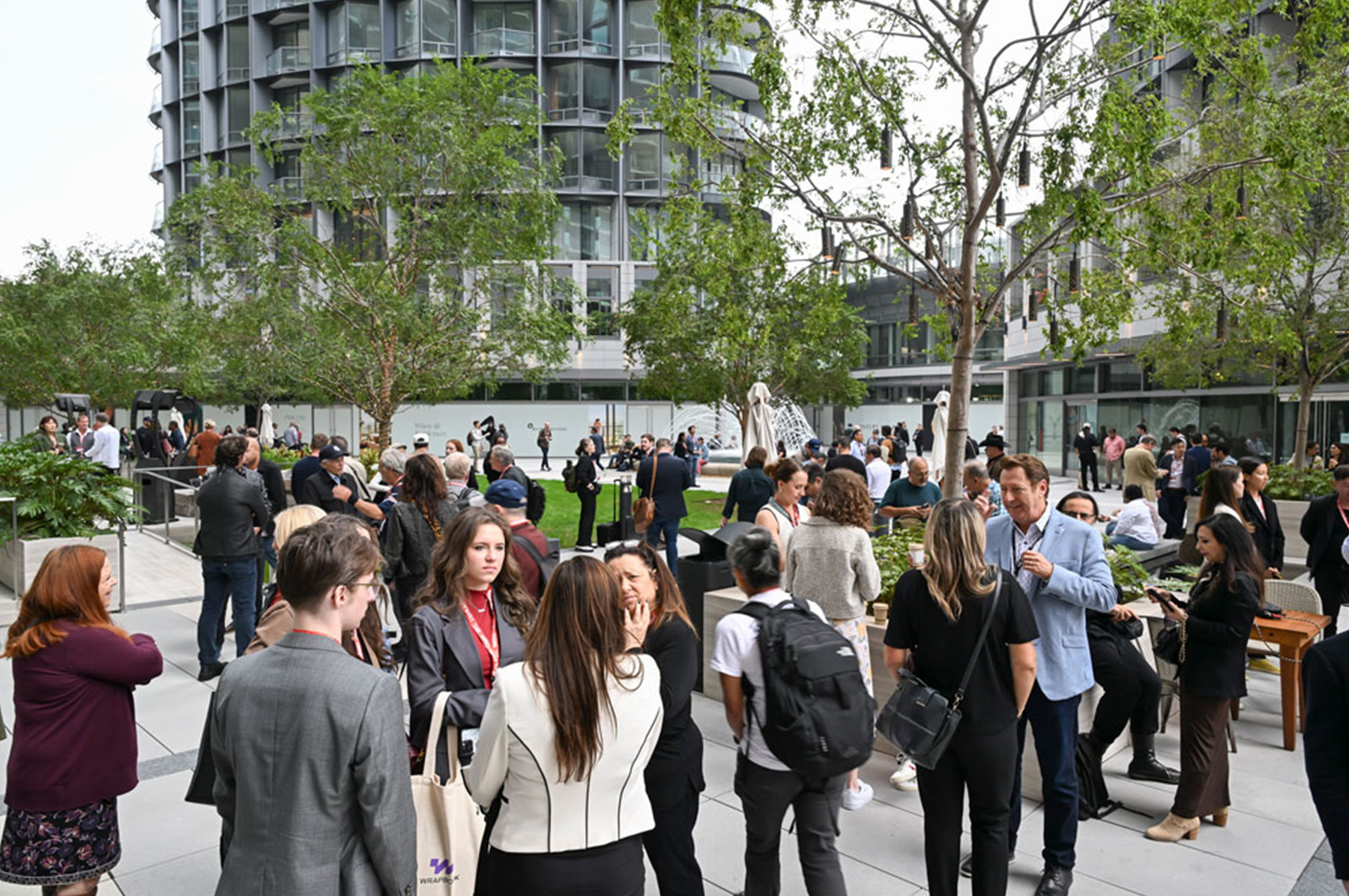
The American Film Market’s return to Los Angeles this year carried a renewed sense of momentum, generating a fresh collective energy among both local Angelinos and international AFM regulars.
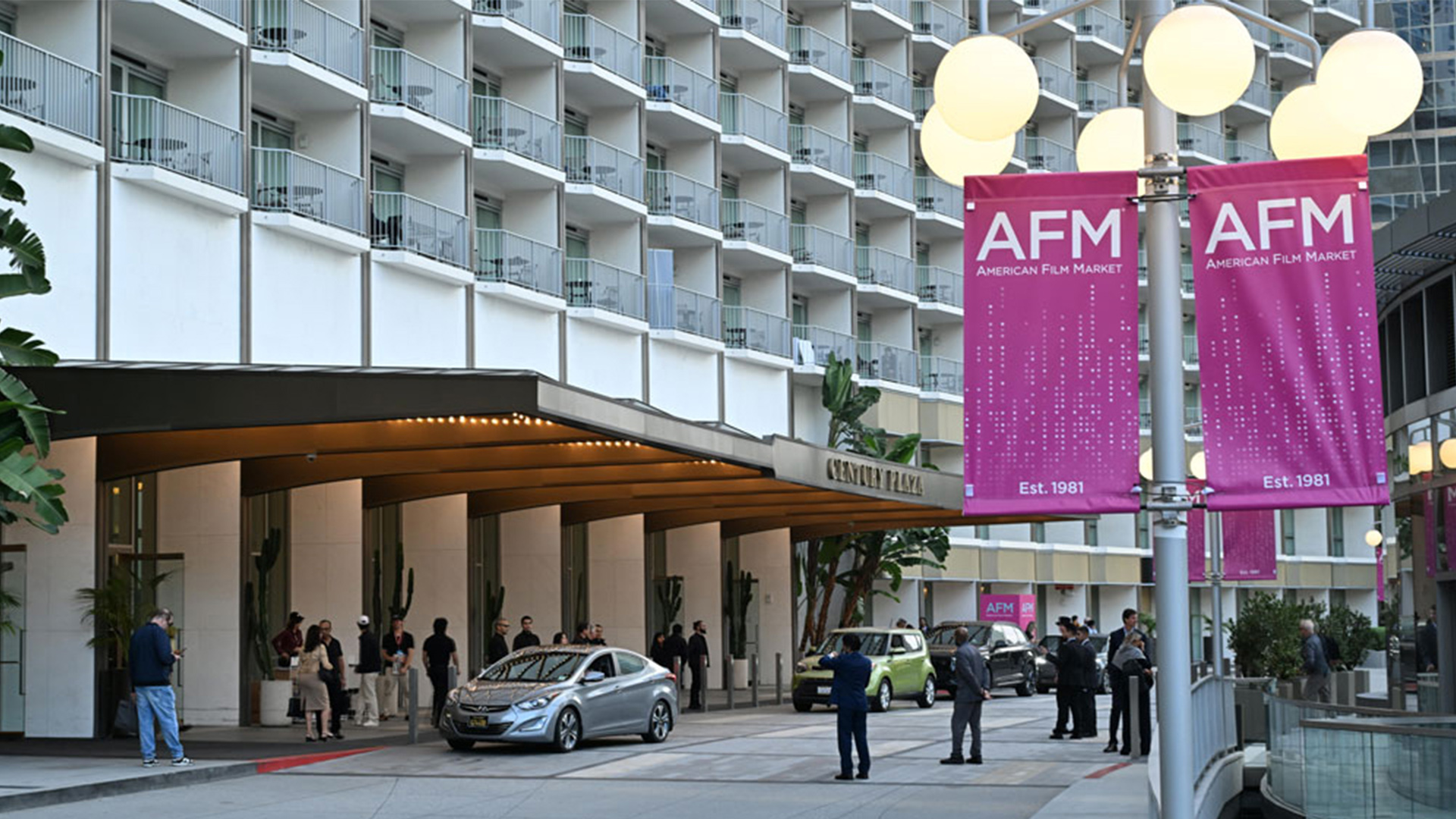
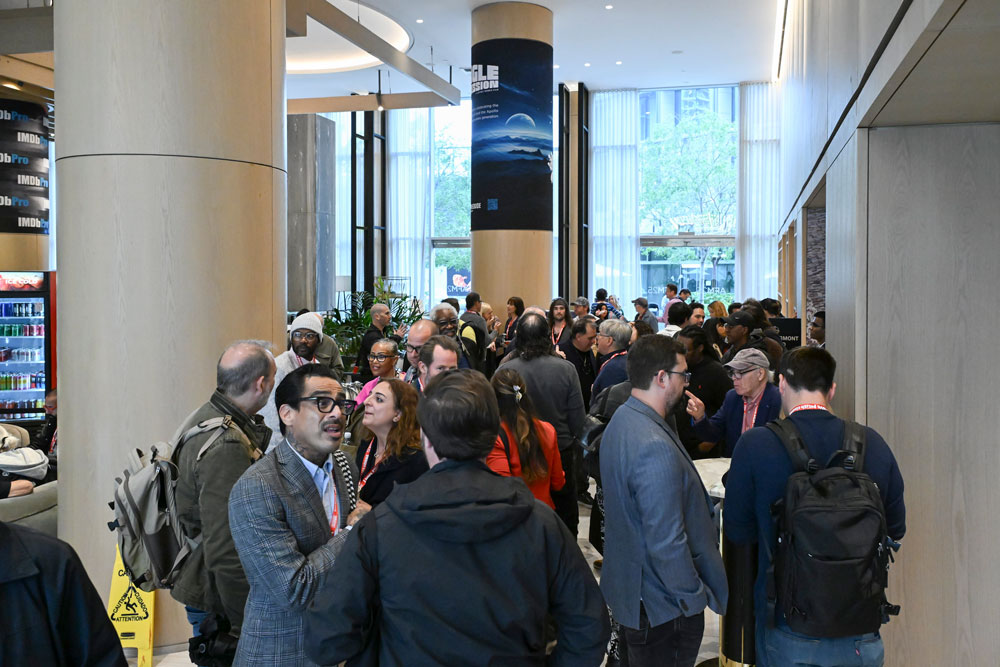
While many veterans quietly admitted they missed the oceanfront setting of Santa Monica, the Fairmont Century Plaza proved an elegant and strategic alternative. Its open, accessible lobby- welcoming even to those without badges- became a natural crossroads for meetings, informal meetups, and serendipitous encounters around the piano-bar area. That permeability mattered. It restored a sense of communal circulation, allowing the film community, particularly Los Angeles-based professionals, to gather organically again. After two years of fragmentation, the simple act of being back together in the same physical space felt, to many, like a necessary recalibration.
The American Film Market has always functioned as a barometer for the mid-tier American indie film industry. In this day and era, Hollywood is searching itself, and perhaps reinventing its models for profitability with the aid of AI and micro-vertical-dramas. The word of the market was that only five titles had value and the rest had none, making us wonder what sustainable models will come next?
This year, that mood is conflicted, candid, and clarifying, particularly when it comes to Canadian collaboration a.k.a. co-venture with the United States. Conversations on the ground reveal an industry that understands its limits with unusual honesty, even as it continues to value AFM as a critical convening force.
Canadian producers arrive at AFM clear-eyed about what the market can-and cannot-deliver. As Toronto-based producer Byron A. Martin puts it, “We can’t as a country in Canada do co-production with America. We don’t have a treaty with them. We do service production and we can collaborate on films. So this isn’t a market for co-productions, but more a market for finding clients and service productions.” Moreover, AFM operates as connective tissue between larger markets in the calendar. “Here it’s really an opportunity to meet with people and follow up pre-Berlin or follow up from TIFF… and just meet people about potential work that you can get involved with and help as a producer.”
That distinction, between collaboration and co-production, remains the central misconception. Entertainment lawyer Joe Sisto is unequivocal: “I think that there’s a misconception that you can actually do co-productions between Canada and the United States and that that’s a source of financing. It’s not .” For Canadian producers, the U.S. is not a financing partner but a buyer. “You’re going to consider the United States as a jurisdiction to which you sell a project… in the form of a minimum guarantee or just licensing revenue.” Regulatory realities make this unavoidable. “As soon as you’re Canadian content, it’s not going to work.” Sisto says, outlining CAVCO rules that restrict American ownership, decision-making, and even foreign producer credits.
And yet, Canadians keep coming. Why? Because AFM’s real value is less transactional than gravitational. Catherine Beamish, a Toronto-based journalist and long-time AFM fixture, describes the current temperature in one word: “Electric.” The sessions, particularly around emerging technology, are shifting perceptions. “I hated AI… until I came down and went to the sessions and learned the difference between the operational AI and the generational AI and the opportunities that people have with AI.”
AFM’s strength, many argue, lies in its openness. Actor-writer-director Paul Mattedescribes a transparency he finds refreshing: “You meet someone and within five minutes, you know what they have, what they’re trying to get.” For younger Canadians, AFM is a first classroom. “Eventually, you’re going to have to have your first market… Why wait longer?” Matte says. Especially being so close to Canada.
With TIFF inaugurating its first Market in September 2026, AFM’s future is openly debated by Canadians. Sisto calls it “a market in decline,” citing cost, perception, and the absence of a festival ecosystem. Martin is pragmatic: “This is a sole one-off market. There’s no festival here… in the fourth quarter, nobody has any money.” With the Hollywood system in flux, and Toronto defining its market positioning within the ecosystem, pressure is mounting.
Yet even critics keep showing up. As Sisto admits, “Much of the independent film world is congregating on Century City at this time.” AFM may no longer be the place where films are financed, but it remains where the industry takes its pulse. In a fragmented global market, that relevance still counts.
As the industry looks ahead to Berlin, Cannes, and the next evolution of TIFF’s market ambitions, AFM’s role may shift but its relevance endures as a living forum where relationships keep growing, and the future of American independent film surely reshapes itself, one conversation at a time.
And for many, AFM remains an annual reunion between Canadians and their American friends, collaborators, and buyers.